Peace on paper, pain in reality: Tigray’s forgotten suffering, struggle for justice
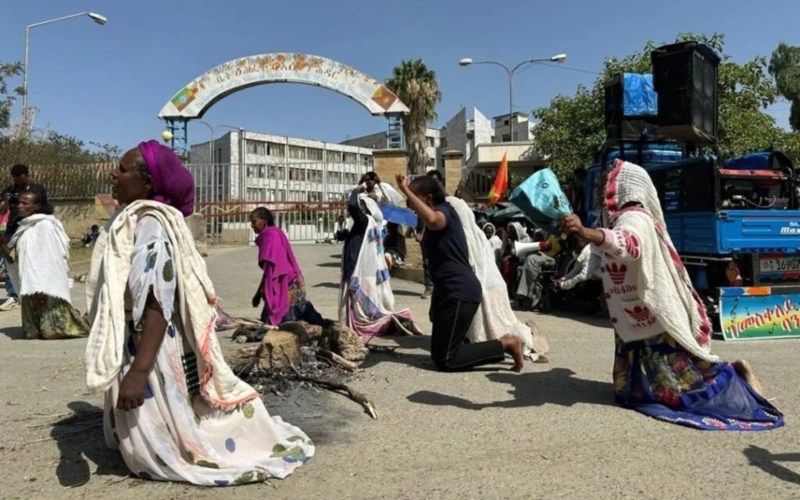
Within Ethiopia, political narratives have distorted collective memory. Reports highlight growing disillusionment among Tigrayan civilians, who feel neither Addis Ababa nor regional elites adequately represent their interests.
When the guns finally fell silent in the northern part of Ethiopia in late 2022, global attention quickly shifted elsewhere.
Yet the war in Tigray remains one of the deadliest and most destructive conflicts of the 21st century. Despite the signing of the Pretoria Agreement, the region continues to endure profound political paralysis, deep social fragmentation, and severe economic devastation.
More To Read
- Ethiopia blasts Egypt for escalating hostile rhetoric and rejecting dialogue over Nile waters, GERD
- Faith under fire: How social media fuels rising attacks on religions, followers in Ethiopia
- Daua Dam, irrigation masterplan gain momentum after high-level talks in Nairobi
- Kenya steps up border checks as Ethiopia confirms outbreak of Marburg Virus Disease
- Technology of freedom, risk of violence: Digital divide facing women in post-war Tigray
- Cultural victory as Ethiopia recovers 12 artefacts taken to Germany in the 1920s
The conflict began in November 2020, following a military campaign against Tigray. Although the federal government initially described it as a “law-and-order operation”, the situation rapidly escalated into a full-scale war.
The fighting drew in not only the Ethiopian National Defence Forces (ENDF) but also Eritrean troops and Amhara regional militias, transforming what was framed as an internal dispute into a complex, multi-layered, and deeply entrenched conflict.
Extensive documentation has since highlighted the early warning signs that went unheeded during years of rising political tension. Diplomatic efforts failed to prevent the outbreak of violence, while regional and international actors struggled to respond effectively as the conflict intensified.
The repercussions of these failures continue to shape the post-war landscape of Tigray, where recovery remains slow, political reconciliation is fragile, and humanitarian needs persist at an alarming scale.
Within weeks of the fighting’s onset, Tigray was effectively cut off from the outside world. Banking systems collapsed, communications were severed, fuel supplies were blocked, and humanitarian organisations were denied access. Civilian life quickly disintegrated: hospitals ran out of essential medicines, farmers abandoned their fields, and hunger spread rapidly across the countryside.
A peer-reviewed mortality study published in Population Health Metrics estimates that between 300,000 and 600,000 civilians died as a result of direct violence and war-induced famine in Tigray. These staggering figures place the conflict among the deadliest wars of the modern era.
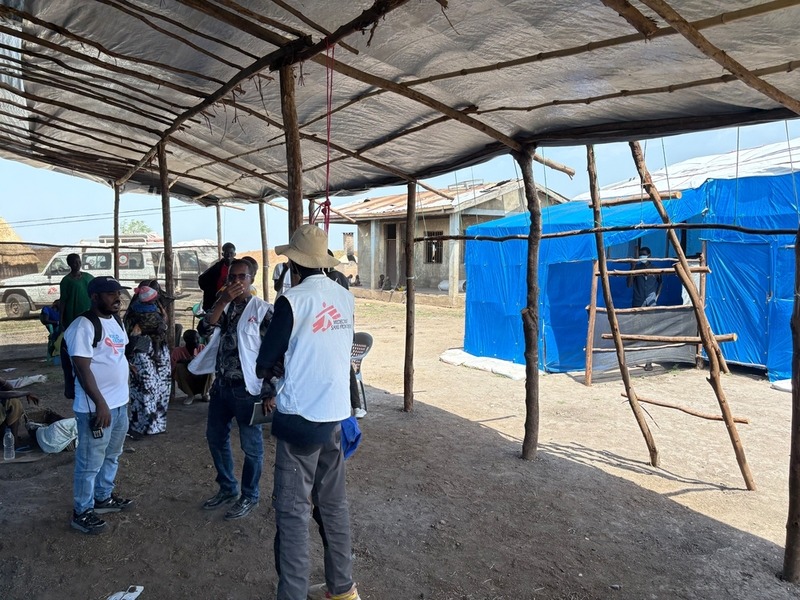
The humanitarian crisis was compounded by deliberate obstruction of aid. Médecins Sans Frontières documented how humanitarian convoys were blocked and healthcare facilities systematically destroyed. In many rural areas, entire communities were forced to survive on leaves, roots, and animal feed. Starvation, far from being incidental, was a calculated tactic of war.
At the same time, widespread atrocities against civilians were meticulously recorded. Human Rights Watch documented summary executions, sexual violence, and forced displacement, highlighting crimes that may constitute crimes against humanity. Women and girls were disproportionately targeted and subjected to systematic rape. The Guardian investigation revealed that survivors were often left untreated, stigmatised, and unsupported long after the conflict subsided, underscoring the enduring human cost of the war.
Tigray between broken recovery, fading memory
Despite the 2022 peace agreement, Tigray remains acutely vulnerable to renewed conflict. Governance has stalled, political divisions remain unresolved, and displaced populations continue to live in makeshift shelters, facing an uncertain future.
Basic social services, including education and healthcare, have yet to recover. Schools remain closed or nonfunctional, and health infrastructure lies in ruins. The Wilson Centre revealed that an entire generation of children has effectively lost access to education. Yet the most profound destruction is often invisible: trauma, depression, and suicide permeate communities. Families struggle to process grief in the absence of justice, while communities cannot heal when truth remains unacknowledged.
Forgetting has become a tool, shielding perpetrators and prolonging the cycle of injustice.”
Media coverage has waned because prolonged suffering lacks novelty. International governments have prioritised stability over truth, and investors have preferred silence to accountability. Gradually, international institutions reduced funding, creating a secondary crisis born of neglect.
Within Ethiopia, political narratives have further distorted collective memory. Reports highlight growing disillusionment among Tigrayan civilians, who feel neither Addis Ababa nor regional elites adequately represent their interests.
In this silence, power consolidates and impunity persists. Forgetting has become a tool, shielding perpetrators and prolonging the cycle of injustice. Without active remembrance and accountability, the wounds of Tigray risk remaining unhealed for generations.
Silence is complicity: Global amnesia fueling impunity
The cost of global amnesia is immense. Forgetting Tigray means abandoning justice. It denies survivors recognition, allows perpetrators to walk free, and ensures that atrocities will be repeated elsewhere. History has repeatedly shown the consequences of leaving crimes unanswered - Rwanda, Srebrenica, and Darfur. Tigray follows a familiar and tragic pattern: violence first, denial second, and forgetting last. When violence goes unpunished, it sets a dangerous precedent.
Immediate action is required across multiple levels. The international community must demand independent investigations, restore humanitarian funding, enforce accountability mechanisms, press for the release of prisoners, and support reconstruction efforts.
Furthermore, the Ethiopian government must acknowledge the crimes committed, restore essential services, disband irregular militias, guarantee the return of displaced persons, and commit to full transparency. International institutions should also fund rehabilitation programs, support truth commissions, protect journalists, and monitor ceasefire compliance.
Media and academia have a crucial role to play by continuing to report, archiving evidence, publishing survivor accounts, and integrating the Tigray war into broader conflict studies. Diaspora communities and civil society can organise advocacy campaigns, fund health services, promote remembrance, and demand meaningful political reform. Survivors themselves bear the responsibility of documenting names, preserving memory, fostering community, and leading processes of healing.
Tigray does not seek pity. It seeks remembrance, justice, and the fulfilment of its right to dignity. While the war may have ended on paper, the suffering endures in silence. Only when the world chooses to remember will true healing begin.
Top Stories Today